
Teaching hospital · Department planning
Anaesthesiology
These are the items commonly listed for the Anaesthesiology department. Tick the ones you need in your list and add your own quantities.
- 27items listed
- 6groups
- 6named in official documents
27 items in 6 groups below. Tap a group to open it; tap “About this item” to read more. Lists are for planning; please follow current official norms.
What the regulations say
6 of 27 items on this page are named in IPHS 2022 (govt benchmark), NMC UG-MSR 2023. 0 have a figure that depends on MBBS seats.
Figures come from NMC and government documents dated up to February 2026. Many are minimums. Items marked in grey are government benchmarks (for example IPHS 2022), not binding on private colleges. Check the current official norms before ordering.
Pre-anaesthesia check-up room
3 items
Height and weighing machine NMC UG-MSR 2023About this item
What it is: A combined weighing scale and height measuring rod, so both can be measured at one station.
How it is used: Used in anaesthesia pre-operative assessment to record a patient's height and weight, for example for calculating doses.
Used in: Anaesthesiology
Options: Buyers choose between mechanical and digital models.
BP apparatus NMC UG-MSR 2023About this item
What it is: A device for measuring blood pressure, consisting of an inflatable arm cuff and a gauge or display that shows the pressure reading.
How it is used: Used in clinics, blood donation areas and community health work to measure blood pressure, and taught to students as a basic clinical skill.
Used in: Anaesthesiology, Blood Centre, Community Medicine
Options: Buyers choose between mercury-free aneroid (dial) models and digital automatic models.
SpO2 monitor NMC UG-MSR 2023About this item
What it is: A device that measures blood oxygen saturation (SpO2) and pulse rate using a clip-on sensor, usually placed on a finger.
How it is used: Used in anaesthesia and wards to continuously check patients' oxygen levels, for example during recovery or oxygen therapy.
Used in: Anaesthesiology, Wards
Options: Options include bedside table-top units and hand-held units, with adult and paediatric sensors.
Pain clinic
2 items
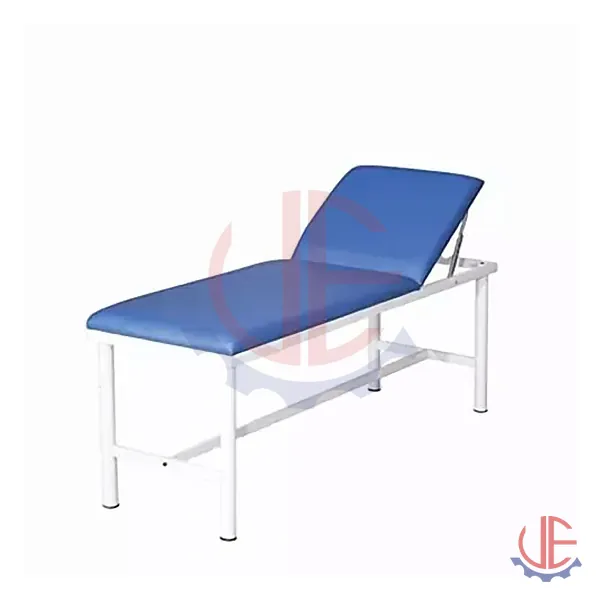
Examination table, BP apparatus, SpO2 NMC UG-MSR 2023About this item
What it is: A group of basic clinical items: an examination table for the patient to lie on, a blood pressure apparatus, and a pulse oximeter for oxygen level.
How it is used: Used in anaesthesia clinics to examine patients and record blood pressure and oxygen level as part of assessment before surgery.
Used in: Anaesthesiology
Options: Buyers choose table type, aneroid or digital BP apparatus, and finger-clip or table-top oximeters.
RF ablation, fluoroscopy, USG, syringe pumps (may be shared) NMC UG-MSR 2023About this item
What it is: A group of equipment for pain treatment, including radiofrequency (RF) ablation machines, fluoroscopy (live X-ray), ultrasound and syringe pumps.
How it is used: Used in the anaesthesiology pain clinic to guide needles and perform nerve procedures to relieve chronic pain.
Used in: Anaesthesiology
Options: Some items, such as fluoroscopy and ultrasound, may be shared with other departments.
Equipment
1 items
Spirometer IPHS 2022 (govt benchmark)About this item
What it is: A device that measures the volume and speed of air a person breathes in and out through a mouthpiece.
How it is used: Used to assess lung function in patients and to teach students how lung volumes are measured.
Used in: Anaesthesiology, Community Medicine, Physiology, Physiotherapy
Options: Buyers choose between traditional water-seal, hand-held digital and computerised spirometers.
Furniture — department office
9 items
Executive table for Head of Department About this item
What it is: A larger office desk for a department head, usually with drawers and a side unit for files.
How it is used: Used in the Head of Department's office for administrative work, meeting faculty and students, and managing department records.
Used in: Anaesthesiology, Anatomy, Biochemistry, Community Medicine, Dentistry, Dermatology, ENT, Forensic Medicine and more
Options: Choices include wooden or laminate finishes, with or without side return, and lockable pedestal drawers.
Revolving office chair About this item
What it is: An office chair that swivels on a base with wheels, usually with height adjustment and a cushioned seat and back.
How it is used: Used by faculty and office staff across departments at desks and computer tables for daily paperwork, computer work and record keeping.
Used in: Anaesthesiology, Anatomy, Biochemistry, Community Medicine, Dentistry, Dermatology, ENT, Forensic Medicine and more
Options: Options include mesh or cushioned backs, with or without armrests, medium or high back, and fabric or leatherette covers.
Visitor chairs About this item
What it is: A fixed-leg chair placed in front of a desk for guests, usually with a cushioned seat and sometimes armrests.
How it is used: Placed in front of office and department desks, where visitors, students, patients' relatives or colleagues sit during meetings.
Used in: Administration, Anaesthesiology, Anatomy, Biochemistry, Community Medicine, Dentistry, Dermatology, ENT and more
Options: Options include steel or wooden frames, cushioned or plain seats, with or without armrests, and fabric or leatherette covers.
Office table About this item
What it is: A standard working desk for office use, usually with one or more drawers.
How it is used: Used by faculty and office staff in departments for paperwork, record keeping and meeting students or colleagues.
Used in: Anaesthesiology, Anatomy, Biochemistry, Community Medicine, Dentistry, Dermatology, ENT, Forensic Medicine and more
Options: Options include steel, wooden or laminate construction, with or without lockable drawers, and different sizes.
Computer table About this item
What it is: A desk designed for a computer, usually with space for the monitor and often a sliding keyboard tray and CPU shelf.
How it is used: Used in department offices, the library and computer areas for staff and students to work on computers, records and online resources.
Used in: Anaesthesiology, Anatomy, Biochemistry, Central Library, Community Medicine, Dentistry, Dermatology, ENT and more
Options: Options include wooden, laminate or steel construction, with or without keyboard tray, CPU stand and drawers.
Steel almirah About this item
What it is: A tall steel cupboard with lockable doors and internal shelves for safe storage.
How it is used: Used across offices and departments to store files, records, stationery, teaching materials and other items that need to be kept locked.
Used in: Administration, Anaesthesiology, Anatomy, Biochemistry, Community Medicine, Dentistry, Dermatology, ENT and more
Options: Options include different heights, full or half shelves, with or without a locker compartment, and plain or glass-panel doors.
Filing cabinet About this item
What it is: A cabinet with deep pull-out drawers for keeping files and documents upright and organised, usually made of steel.
How it is used: Used in administrative and department offices to store student records, staff files, correspondence and other official documents.
Used in: Administration, Anaesthesiology, Anatomy, Biochemistry, Community Medicine, Dentistry, Dermatology, ENT and more
Options: Buyers choose between two-, three- or four-drawer models, with or without central lock, and steel or wooden construction.
Bookshelf / book rack About this item
What it is: A shelf unit for storing books, journals and files in an upright, easy-to-see arrangement.
How it is used: Used in department offices, seminar rooms and departmental libraries to keep reference books, journals, theses and records.
Used in: Anaesthesiology, Anatomy, Biochemistry, Community Medicine, Dentistry, Dermatology, ENT, Forensic Medicine and more
Options: Options include steel or wooden construction, open shelves or glass doors, with or without lock, and adjustable shelves.
Side rack About this item
What it is: A small rack or low cabinet placed beside a desk to hold files, books and frequently used items.
How it is used: Used next to desks in department offices and faculty rooms to keep working files, books and stationery within easy reach.
Used in: Anaesthesiology, Anatomy, Biochemistry, Community Medicine, Dentistry, Dermatology, ENT, Forensic Medicine and more
Options: Options include steel or wooden construction, open shelves or with doors, and with or without lock.
Furniture — faculty rooms
5 items
Office table About this item
What it is: A standard working desk for office use, usually with one or more drawers.
How it is used: Used by faculty and office staff in departments for paperwork, record keeping and meeting students or colleagues.
Used in: Anaesthesiology, Anatomy, Biochemistry, Community Medicine, Dentistry, Dermatology, ENT, Forensic Medicine and more
Options: Options include steel, wooden or laminate construction, with or without lockable drawers, and different sizes.
Revolving office chair About this item
What it is: An office chair that swivels on a base with wheels, usually with height adjustment and a cushioned seat and back.
How it is used: Used by faculty and office staff across departments at desks and computer tables for daily paperwork, computer work and record keeping.
Used in: Anaesthesiology, Anatomy, Biochemistry, Community Medicine, Dentistry, Dermatology, ENT, Forensic Medicine and more
Options: Options include mesh or cushioned backs, with or without armrests, medium or high back, and fabric or leatherette covers.
Visitor chairs About this item
What it is: A fixed-leg chair placed in front of a desk for guests, usually with a cushioned seat and sometimes armrests.
How it is used: Placed in front of office and department desks, where visitors, students, patients' relatives or colleagues sit during meetings.
Used in: Administration, Anaesthesiology, Anatomy, Biochemistry, Community Medicine, Dentistry, Dermatology, ENT and more
Options: Options include steel or wooden frames, cushioned or plain seats, with or without armrests, and fabric or leatherette covers.
Steel almirah About this item
What it is: A tall steel cupboard with lockable doors and internal shelves for safe storage.
How it is used: Used across offices and departments to store files, records, stationery, teaching materials and other items that need to be kept locked.
Used in: Administration, Anaesthesiology, Anatomy, Biochemistry, Community Medicine, Dentistry, Dermatology, ENT and more
Options: Options include different heights, full or half shelves, with or without a locker compartment, and plain or glass-panel doors.
Bookshelf / book rack About this item
What it is: A shelf unit for storing books, journals and files in an upright, easy-to-see arrangement.
How it is used: Used in department offices, seminar rooms and departmental libraries to keep reference books, journals, theses and records.
Used in: Anaesthesiology, Anatomy, Biochemistry, Community Medicine, Dentistry, Dermatology, ENT, Forensic Medicine and more
Options: Options include steel or wooden construction, open shelves or glass doors, with or without lock, and adjustable shelves.
Furniture — OPD
7 items
Doctor's table About this item
What it is: A working desk for a doctor, usually with drawers for forms, prescription pads and stationery.
How it is used: Used in consultation rooms and clinical department offices, where doctors see patients, review reports and write notes.
Used in: Anaesthesiology, Dentistry, Dermatology, ENT, General Medicine, General Surgery, Obstetrics & Gynaecology, Ophthalmology and more
Options: Buyers choose between steel, wooden or laminate tops, with or without lockable drawers, and different sizes.
Doctor's chair About this item
What it is: A comfortable office chair for a doctor, usually with cushioned seat and back, suited to long hours of sitting at a desk.
How it is used: Used by doctors in consultation rooms and department offices while examining records, talking to patients and writing prescriptions.
Used in: Anaesthesiology, Dentistry, Dermatology, ENT, General Medicine, General Surgery, Obstetrics & Gynaecology, Ophthalmology and more
Options: Options include revolving with wheels or fixed, with or without armrests, mesh or cushioned back, and height adjustment.
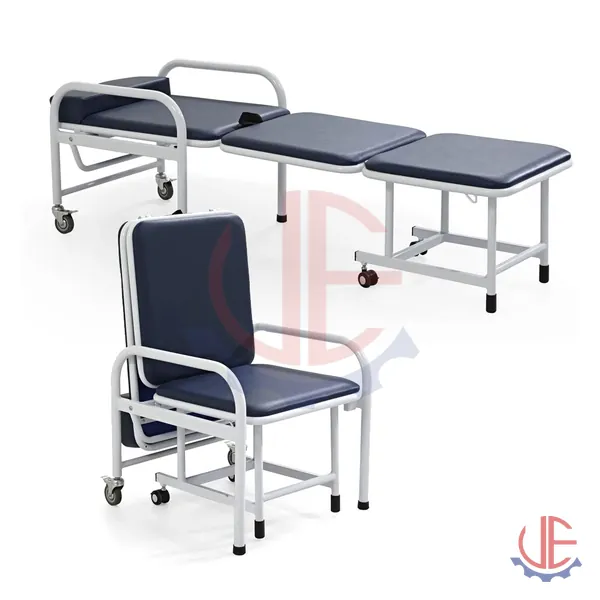
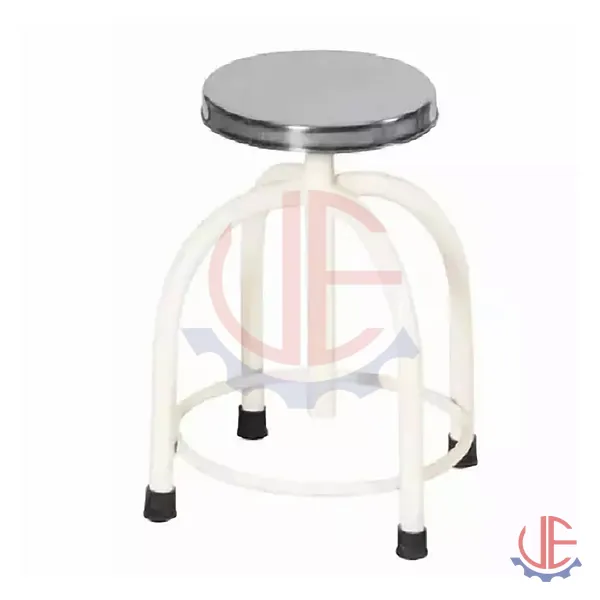
- Patient stool About this item
What it is: A patient stool is a small, usually round stool, often revolving and height adjustable, on which a patient sits during consultation.
How it is used: It is used in OPD rooms so doctors and students can examine seated patients and turn them easily during examination.
Used in: Anaesthesiology, Dentistry, Dermatology, ENT, General Medicine, General Surgery, Obstetrics & Gynaecology, Ophthalmology and more
Options: Buyers choose between fixed and revolving tops, height adjustment, and steel or chrome frames.
- Attendant chair About this item
What it is: An attendant chair is a simple, sturdy chair for a patient's relative or attendant, usually with a metal frame and wipe-clean seat.
How it is used: It is placed in OPD rooms, wards and procedure areas so attendants can sit with patients during consultation, waiting or treatment.
Used in: Anaesthesiology, Dentistry, Dermatology, ENT, General Medicine, General Surgery, Obstetrics & Gynaecology, Ophthalmology and more
Options: Options include plain or cushioned seats, with or without armrests, and stackable designs.
- Examination couch About this item
What it is: An examination couch is a padded, raised table on which a patient lies or sits to be examined by a doctor.
How it is used: It is used in OPDs, wards and skills labs for physical examination of patients and for students to practise examination skills.
Used in: Anaesthesiology, Dentistry, Dermatology, ENT, General Medicine, General Surgery, Obstetrics & Gynaecology, Ophthalmology and more
Options: Buyers choose between fixed and adjustable backrest, with or without drawers, and steel or wooden frames.
Waiting area seating (3- and 4-seater) About this item
What it is: Linked seating units with three or four seats joined on one frame, designed for heavy public use.
How it is used: Placed in OPD waiting halls and corridors of clinical departments, where patients and attendants wait for registration and consultation.
Used in: Anaesthesiology, Dentistry, Dermatology, ENT, General Medicine, General Surgery, Obstetrics & Gynaecology, Ophthalmology and more
Options: Options include three- or four-seater units, perforated steel, moulded plastic or cushioned seats, and with or without armrests.
Registration / help-desk counter About this item
What it is: A front counter where staff sit to register patients, issue OPD cards and answer queries, often with a computer space.
How it is used: Placed at the entrance of clinical departments and OPDs, where patients register, get directions and receive help before consultation.
Used in: Anaesthesiology, Dentistry, Dermatology, ENT, General Medicine, General Surgery, Obstetrics & Gynaecology, Ophthalmology and more
Options: Buyers choose between wooden, laminate or steel construction, single or multi-window designs, and with or without glass screens.
How Unnat Exports helps with Anaesthesiology
- One list, one quotation
Every item for Anaesthesiology, from equipment to furniture, quoted together, item-wise, with GST shown.
- Matched to the documents
Item names follow the wording used in NMC and government planning documents, so your list reads the way inspectors expect.
- Help with specifications
Not sure which model or size? Our team goes through the options with you before quoting.
- Supply across India
Delivery and installation for your city are confirmed in the quotation.
Before you finalise your Anaesthesiology list
- Check your MBBS intake and any PG seats; several quantities scale with them.
- Compare the list with the current official norms for your college. The table above shows which items the documents name.
- Measure the rooms, labs or wards so furniture and equipment fit.
- Decide which items you already have and which need replacing.
- Note any tender or department specifications you must follow.
Send this checklist with your list and we will quote against it.
Common questions
What does Unnat Exports supply for the Anaesthesiology department?
Items from the pre-anaesthesia check-up room, pain clinic, equipment groups on this page, plus furniture for the department office, faculty rooms, OPD. Most of them fall under office, classroom, library & hostel furniture, diagnostic instruments, vital signs & weighing, hospital furniture & patient handling.
Do I have to buy everything on this list?
No. The list shows items commonly bought for this department. You choose the items and quantities you need; every quantity box starts empty.
Do you also supply furniture for the Anaesthesiology department?
Yes. This page lists furniture for the department office, faculty rooms, opd. Tell us your room sizes in the note box if you need custom sizes.
Is this the official list of requirements?
No. It is a planning list to help you prepare your purchase. Please check the current official norms that apply to your college, such as the National Medical Commission documents, before you finalise quantities.
How do I get a quotation for Anaesthesiology?
Open the list builder, tick the items, type your quantities and send the list. You can also send the list you already have on WhatsApp at 94674 67836.
Can you help me choose models and specifications?
Yes. When you send your list, tick “I need help choosing specifications” and our team will call you to go through the options before quoting.
Ready to get a quotation?
Tick what you need, type your quantities, and send the list to Unnat Exports. Or just message us on WhatsApp.